Common Misconceptions About Screened Topsoil Debunked


Understanding Screened Topsoil
Screened topsoil is a popular choice for gardening and landscaping projects, yet there are many misconceptions surrounding it. This type of soil is processed to remove debris, rocks, and other unwanted materials, ensuring a finer and more consistent product. Understanding its true nature and benefits can help you make more informed decisions for your outdoor projects.

Myth 1: Screened Topsoil is Sterile
One common misconception is that screened topsoil is devoid of nutrients and organic matter. This is far from the truth. While the screening process removes large debris and rocks, it retains the essential minerals and nutrients needed for plant growth. In fact, the removal of impurities often enhances the soil's quality, making it more suitable for planting.
Myth 2: It's the Same as Regular Topsoil
Another misunderstanding is that screened topsoil is no different from regular topsoil. However, the screening process significantly alters its texture and consistency. Regular topsoil can contain a wide range of impurities, whereas screened topsoil is more uniform, providing better drainage and aeration for plants. This makes it a superior choice for many gardening and landscaping applications.

The Benefits of Screened Topsoil
Screened topsoil offers several advantages over its unscreened counterpart. One of the primary benefits is its improved texture, which promotes better root development and water retention. This makes it ideal for establishing new lawns or planting delicate flowers. Additionally, the absence of debris means fewer obstacles for plant roots, leading to healthier growth.
Myth 3: It's Unnecessary for Small Projects
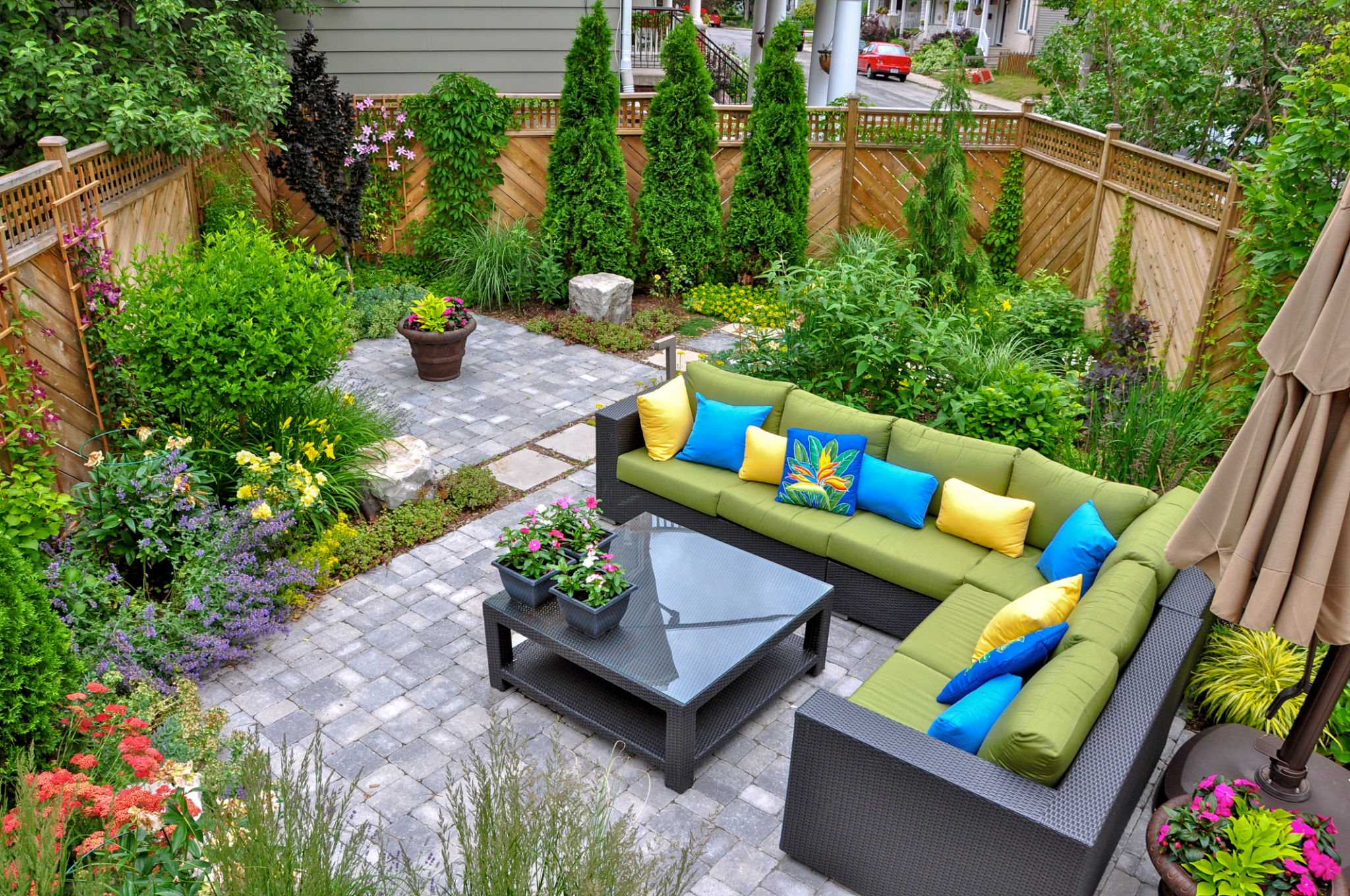
Some believe that screened topsoil is only necessary for large-scale projects, but this is a misconception. Even small gardens or flower beds can benefit from its refined texture and quality. Whether you're planting a few shrubs or setting up a vegetable patch, using screened topsoil can enhance plant health and growth.
Choosing the Right Screened Topsoil
When selecting screened topsoil, it's important to consider the specific needs of your plants and the conditions of your garden. Look for topsoil that is well-balanced with a mix of sand, silt, and clay. This combination ensures good drainage while retaining enough moisture for plant roots. Additionally, ensure that the topsoil is sourced from a reputable supplier to guarantee its quality.
Conclusion
Debunking these common misconceptions about screened topsoil can help you make better gardening and landscaping decisions. With its improved texture and quality, screened topsoil is a valuable resource for both large and small projects. By understanding its true benefits, you can create a healthier and more vibrant outdoor space.