Expert Tips for Selecting Sustainable Landscaping Materials


Understanding Sustainable Landscaping
As environmental awareness grows, more homeowners and businesses are seeking ways to make their landscapes eco-friendly. Choosing sustainable landscaping materials is a crucial step in this process. By using resources that have a minimal impact on the environment, you can create a beautiful, functional, and sustainable outdoor space.
Sustainable landscaping involves the use of materials that are renewable, recycled, or locally sourced. This approach not only helps the environment but can also enhance the longevity and aesthetic of your landscape. Here are some expert tips to guide you in selecting the best materials for your project.
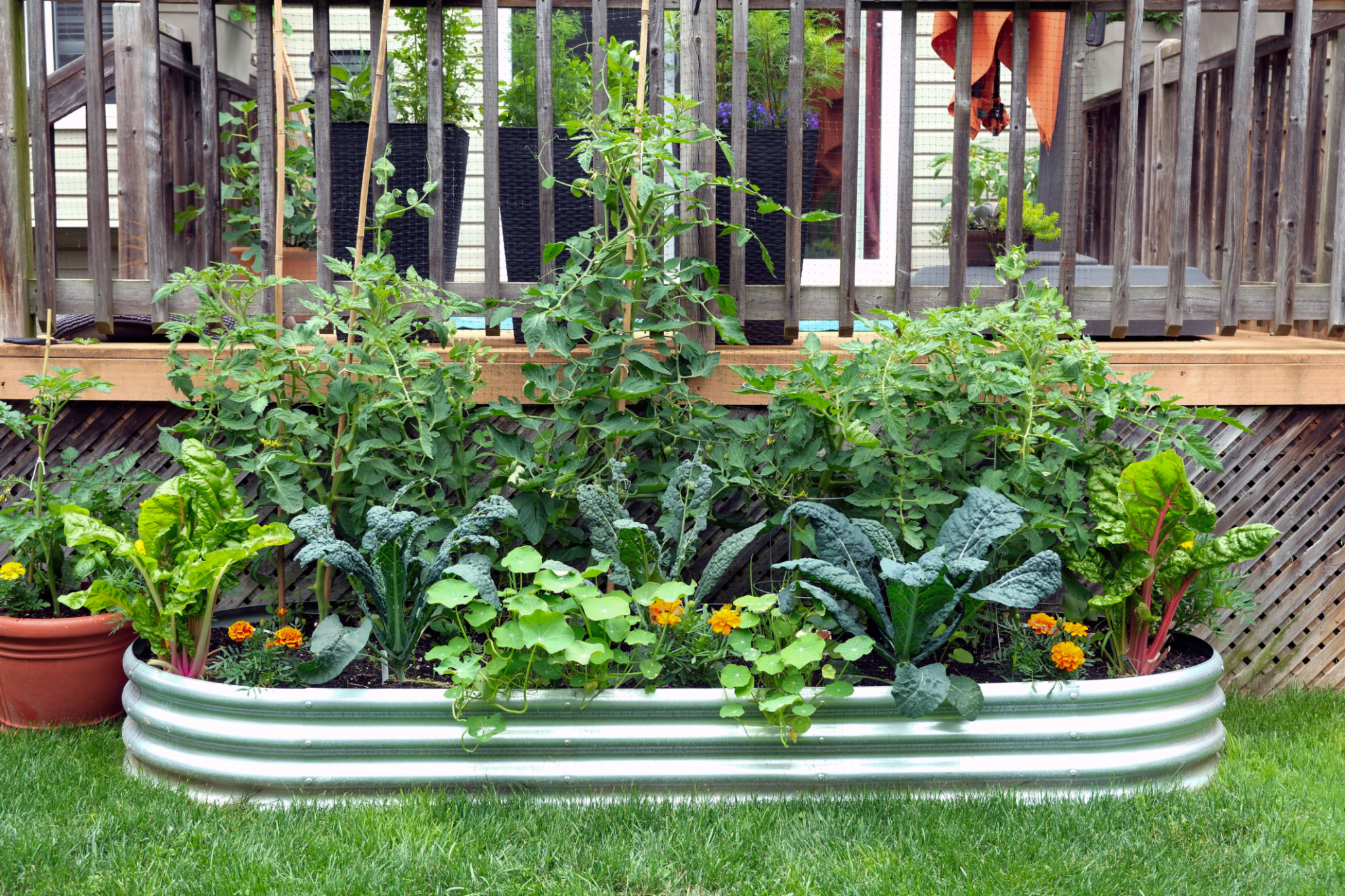
Prioritize Locally Sourced Materials
One of the primary considerations when selecting sustainable materials is to choose those that are locally sourced. Using materials from local suppliers reduces transportation emissions and supports the local economy. Additionally, local materials are often better suited to your regional climate and soil conditions.
Consider using native plants, stones, and wood types that are abundant in your area. These materials tend to require less maintenance and are more likely to thrive in your environment, promoting a more sustainable landscape.
Opt for Renewable and Recycled Resources
Incorporating renewable and recycled materials into your landscape design is another effective way to boost sustainability. Renewable materials, like bamboo, grow quickly and can be replenished without causing long-term environmental damage.
Recycled materials, such as reclaimed wood or composite decking, are made from repurposed waste, reducing the need for new resources. These materials can offer unique textures and appearances, adding character to your landscape design.

Utilize Permeable Surfaces
Traditional paving materials can lead to water runoff and soil erosion. To combat these issues, consider using permeable surfaces such as gravel, permeable pavers, or porous concrete. These materials allow water to penetrate the ground, reducing runoff and promoting groundwater recharge.
Permeable surfaces are an excellent choice for driveways, walkways, and patios. They not only support sustainable water management but also enhance the overall health of your landscape.
Choose Low-Maintenance Plants
Low-maintenance plants are a key component of sustainable landscaping. These plants require less water, fertilizer, and pesticides, making them an environmentally friendly choice. Native plants are often the best option, as they are adapted to local conditions and typically require minimal care.
By selecting a diverse range of low-maintenance plants, you can create a resilient landscape that supports local biodiversity while reducing your environmental impact.

Invest in Quality Over Quantity
When selecting sustainable materials, it's important to prioritize quality over quantity. High-quality materials, although sometimes more expensive upfront, tend to be more durable and long-lasting. This reduces the need for frequent replacements, minimizing waste and conserving resources.
Investing in quality materials ensures that your landscape remains beautiful and sustainable for years to come. Consider the long-term benefits and savings when making your selections.
Conclusion
Creating a sustainable landscape is a rewarding endeavor that benefits both you and the environment. By prioritizing locally sourced, renewable, and recycled materials, and incorporating low-maintenance plants and permeable surfaces, you can craft a landscape that is both eco-friendly and visually appealing.
Take these expert tips into consideration as you plan your next landscaping project, and enjoy the satisfaction of contributing to a healthier planet.