Step-by-Step Guide to Soil Screening Services


Understanding Soil Screening Services
Soil screening is a crucial process for many industries, including agriculture, construction, and environmental management. It involves the analysis and separation of soil particles to determine its composition and quality. This step-by-step guide will walk you through the importance, process, and benefits of soil screening services.
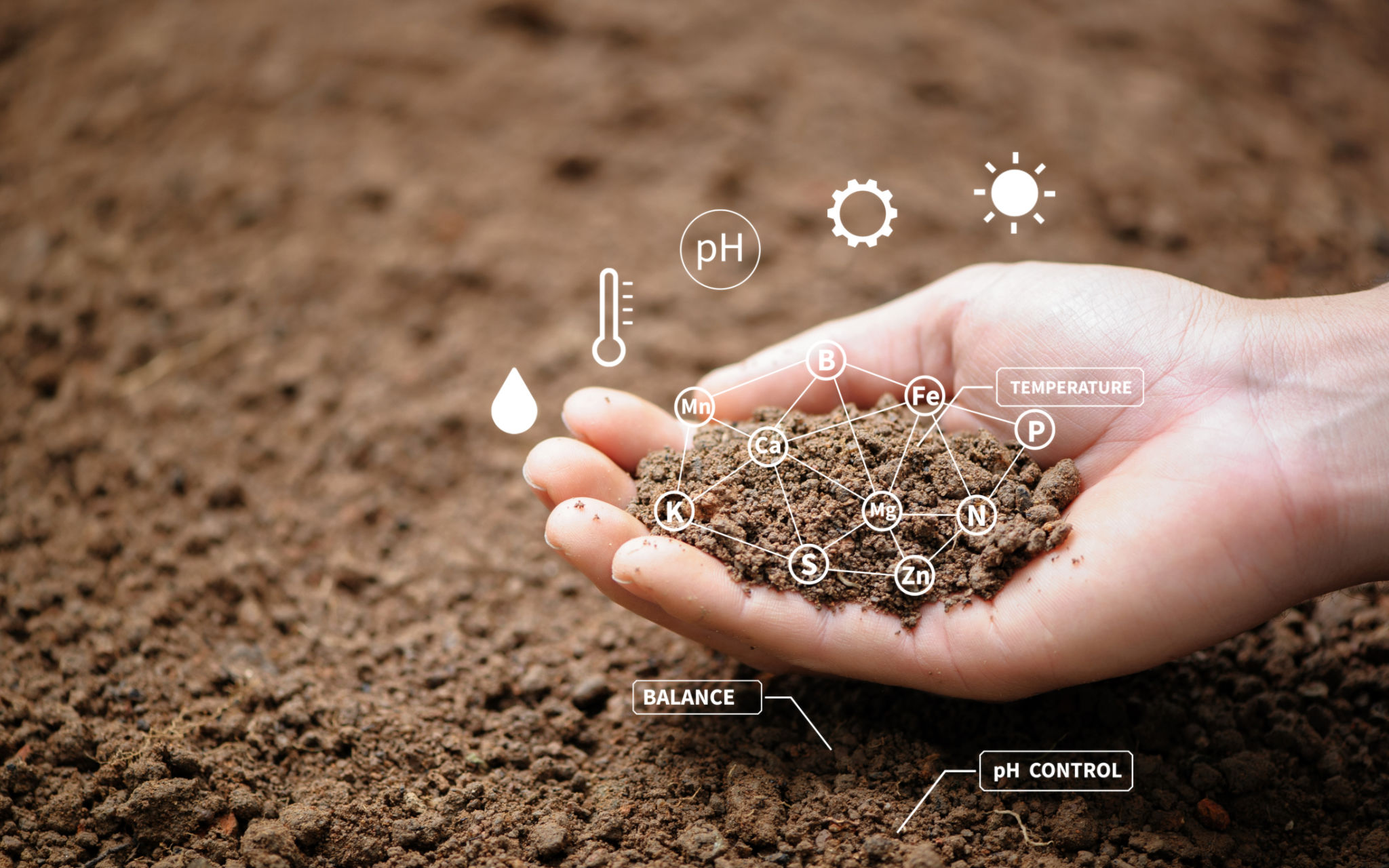
Why Soil Screening is Important
Soil screening helps identify contaminants, nutrient levels, and the overall health of the soil. This information is vital for making informed decisions about land use, crop selection, and environmental remediation. It also ensures compliance with environmental regulations and standards, preventing costly fines and project delays.
By understanding the soil composition, businesses can optimize their operations, leading to better crop yields, safer construction sites, and more effective land rehabilitation efforts.
Preparing for Soil Screening
Before beginning the soil screening process, it's important to gather relevant information about the site. This includes historical land use, any known contaminants, and the specific goals of the screening. Proper preparation ensures accurate results and helps tailor the screening process to meet specific needs.
Collecting soil samples is the next step. Samples should be taken from various depths and locations to get a comprehensive view of the soil's condition. Proper labeling and documentation are essential to maintain the integrity of the samples.

The Soil Screening Process
The actual screening process involves several steps, typically performed in a laboratory setting. Here's a general overview:
- Sample Preparation: Soil samples are dried and sieved to remove debris and separate particles based on size.
- Chemical Analysis: Various tests are conducted to detect contaminants such as heavy metals, pesticides, and hydrocarbons.
- Nutrient Analysis: The levels of essential nutrients like nitrogen, phosphorus, and potassium are measured to assess soil fertility.
- Physical Analysis: Soil texture, structure, and density are examined to determine its suitability for different applications.
Interpreting the Results
Once the analysis is complete, the results are compiled into a detailed report. This report provides insights into the soil's condition, highlighting any issues that need to be addressed. Understanding these results is crucial for making informed decisions about soil management and land use.

For instance, high levels of contaminants may require remediation efforts, while nutrient deficiencies might necessitate the use of specific fertilizers. The report can also guide construction projects by indicating the soil's load-bearing capacity and stability.
Benefits of Professional Soil Screening Services
Utilizing professional soil screening services offers numerous advantages. Experts in the field have the necessary equipment and expertise to conduct thorough analyses, ensuring accurate and reliable results. This professional approach saves time and reduces the risk of errors, leading to more successful outcomes.
Furthermore, having a clear understanding of soil conditions can enhance project planning and execution, reducing unexpected challenges and improving overall efficiency.
Conclusion
Soil screening services play a vital role in various industries by providing essential information about soil health and composition. By following this step-by-step guide, businesses can leverage professional soil screening to make informed decisions, optimize operations, and ensure environmental compliance. Whether you are involved in agriculture, construction, or environmental management, soil screening is an invaluable tool for success.