Understanding the Process of Dirt Screening: A Step-by-Step Guide


Understanding the process of dirt screening is crucial for various industries, including construction, landscaping, and agriculture. This step-by-step guide will help you grasp the essentials of this process, ensuring you can make informed decisions for your projects.

What is Dirt Screening?
Dirt screening is the method of separating unwanted materials like rocks, debris, and other contaminants from soil. This process enhances the quality of the soil, making it more suitable for specific applications. By removing impurities, the soil becomes more functional and efficient for its intended use.
The importance of dirt screening cannot be overstated, especially in projects where soil quality directly impacts the outcome. For example, in gardening, clean soil promotes healthier plant growth, while in construction, it ensures a stable foundation.
The Benefits of Dirt Screening
Screening dirt offers several benefits, including:
- Improved soil quality: Removing debris enhances the nutritional content and texture.
- Cost-effectiveness: Reduces the need for additional soil amendments.
- Environmental impact: Promotes sustainable practices by recycling and reusing soil.
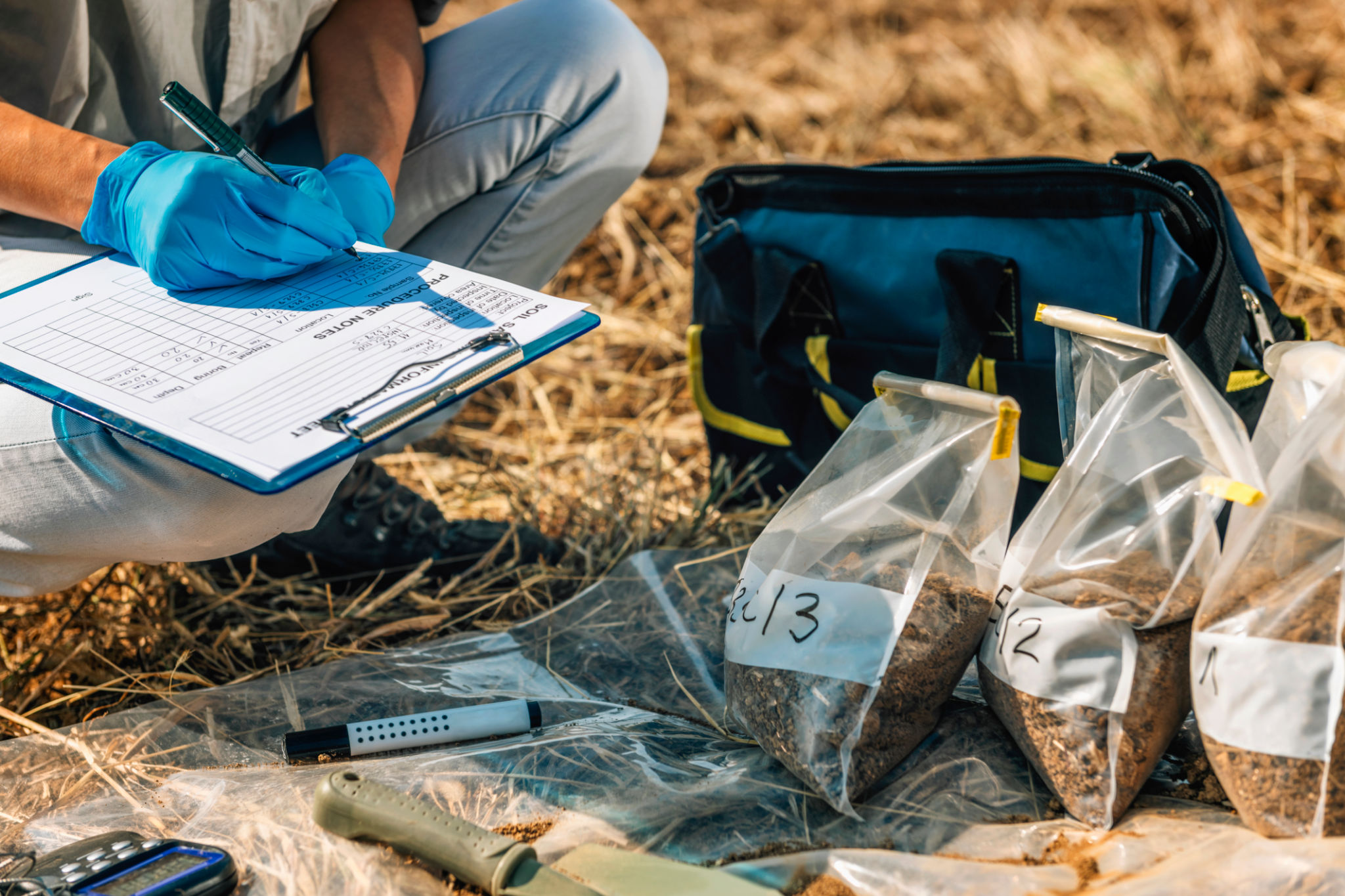
The Dirt Screening Process
The dirt screening process generally involves the following steps:
- Collection: Gather the soil that needs to be screened.
- Initial Assessment: Examine the soil to identify the types of contaminants present.
- Screening Setup: Choose the appropriate screening equipment based on soil type and contaminants.
Once you have your equipment ready, it's time to move on to the actual screening procedure.
Executing the Screening
During the screening, soil is passed through a mesh or sieve to filter out unwanted materials. The mesh size is chosen based on the desired level of purity. Larger mesh sizes allow for faster processing but may not remove smaller particles effectively.

After screening, evaluate the soil to ensure all contaminants have been removed. Adjust the process as necessary to achieve the desired results.
Choosing the Right Equipment
There are various screening machines available, each suited for different tasks. Consider factors such as the volume of soil, type of contaminants, and the required purity level when selecting equipment. Popular options include drum screens, vibrating screens, and trommel screens.
Investing in the right equipment can significantly enhance the efficiency and effectiveness of the screening process.
Final Thoughts
Understanding the dirt screening process is essential for anyone involved in projects requiring high-quality soil. By following these steps and choosing the right equipment, you can ensure that your soil is free from contaminants and perfectly suited for your needs.
Whether you're a landscaper, gardener, or construction professional, mastering the art of dirt screening can lead to more successful and sustainable projects.